Serum biomarkers in the Iberian Lynx (Lynx pardinus): Influence of habitat, sex, age, and exposure to Crimean-Congo haemorrhagic fever virus
Abstract
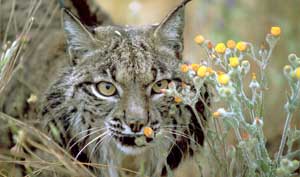
The Iberian lynx (Lynx pardinus) has experienced a remarkable demographic recovery in recent decades but continues to face emerging health threats that may compromise its long-term conservation. This study aimed to evaluate serum proteins (total proteins [TP], albumin, globulin, albumin/globulin ratio [A/G]), biomarkers related to immune function such as acute-phase proteins (haptoglobin, paraoxonase-1 [PON1]) and adenosine deaminase [ADA] and redox status biomarkers (cupric reducing antioxidant capacity [CUPRAC], ferric reducing ability of plasma [FRAP], Trolox equivalent antioxidant capacity [TEAC], and advanced oxidation protein products [AOPP]) in Iberian lynxes. In addition, the study evaluated variations in these parameters associated with habitat (free-ranging vs. captive), sex, age, and exposure to Crimean-Congo haemorrhagic fever virus (CCHFV). Analyses of serum samples from 98 Iberian lynxes revealed that free-ranging individuals had significantly higher TP, globulin, and ADA values, together with a lower A/G ratio compared to captive lynxes. Age was positively correlated with globulin, haptoglobin, and PON1, and negatively correlated with A/G ratio and AOPP. No significant differences were observed between sexes. After adjustment for habitat, region, sampling period, age, and sex, CCHFV seropositivity was associated with higher FRAP values, while the associations with haptoglobin and TEAC differed according to habitat. Taken together, these findings provide the first integrated description of serum biomarker patterns in the Iberian lynx and highlight the influence of ecological, demographic, and other factors on its physiological status.